
Lemon and Ricotta Pasta (Pasta al Limone)
This Lemon and Ricotta Pasta, sometimes called pasta al limone, is light, fresh, and ready in about 25 minutes. It tastes like something from a little Italian restaurant, but it comes together easily in your own kitchen. I just love what you can do with a box of pasta!
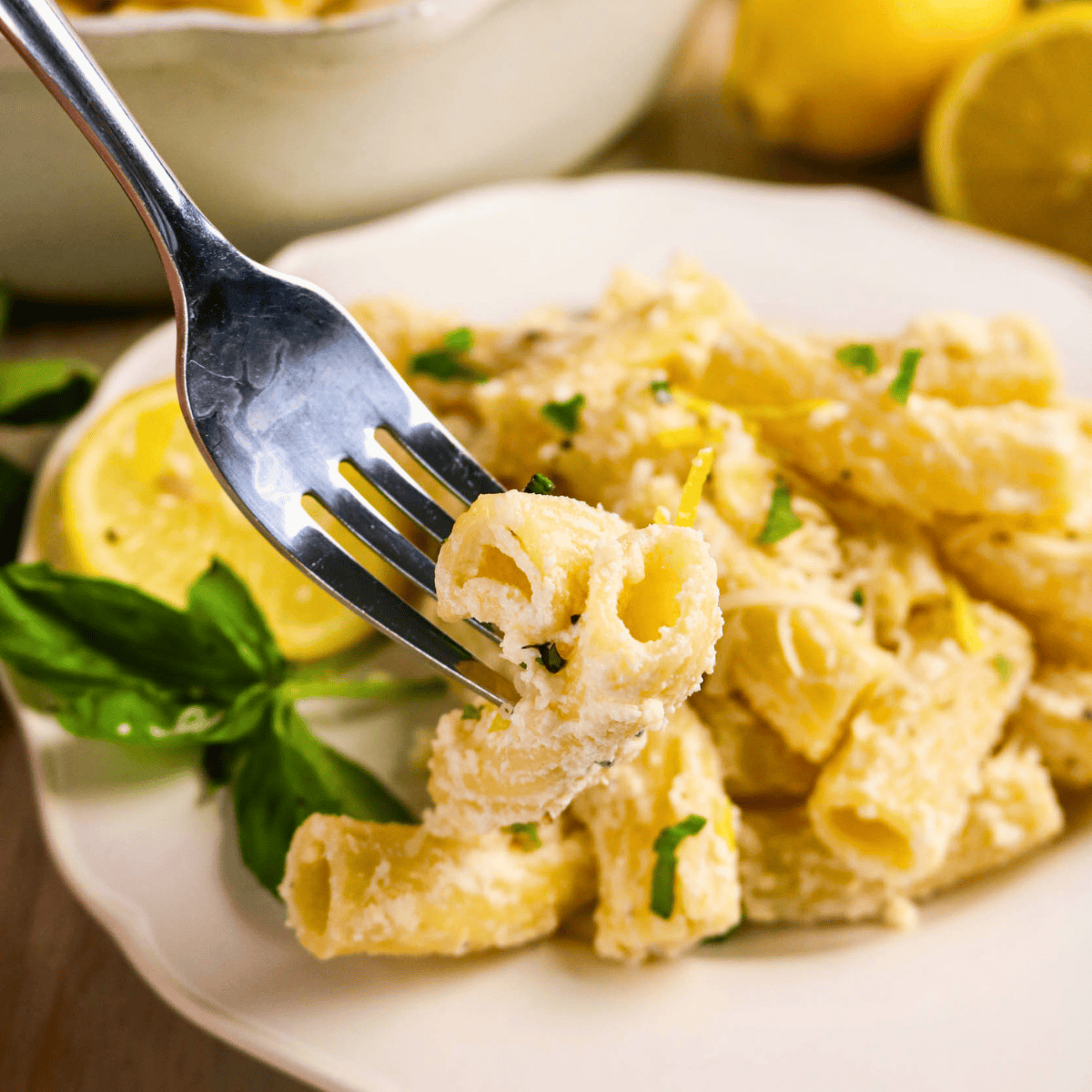
You’re going to want to add this yummy pasta recipe to your meal plan!
Why You’ll Love My Recipe
- Easy budget-friendly meatless meal (find more pasta recipes)
- This creamy, bright, and flavorful pasta dish feeds a crowd
- Ready to eat in less than 30 minutes
This Lemon Ricotta Pasta Recipe with garlic, a little Parmesan, rich ricotta, and fresh lemon seems complicated, but it’s really not. There’s no heavy cream or complicated sauce, and you don’t have to stand over the stove whisking forever either. A handful of simple, fresh ingredients, a pot of boiling water, and about 20 minutes is all you need. I’m willing to bet that this easy recipe is going straight into your dinner rotation.
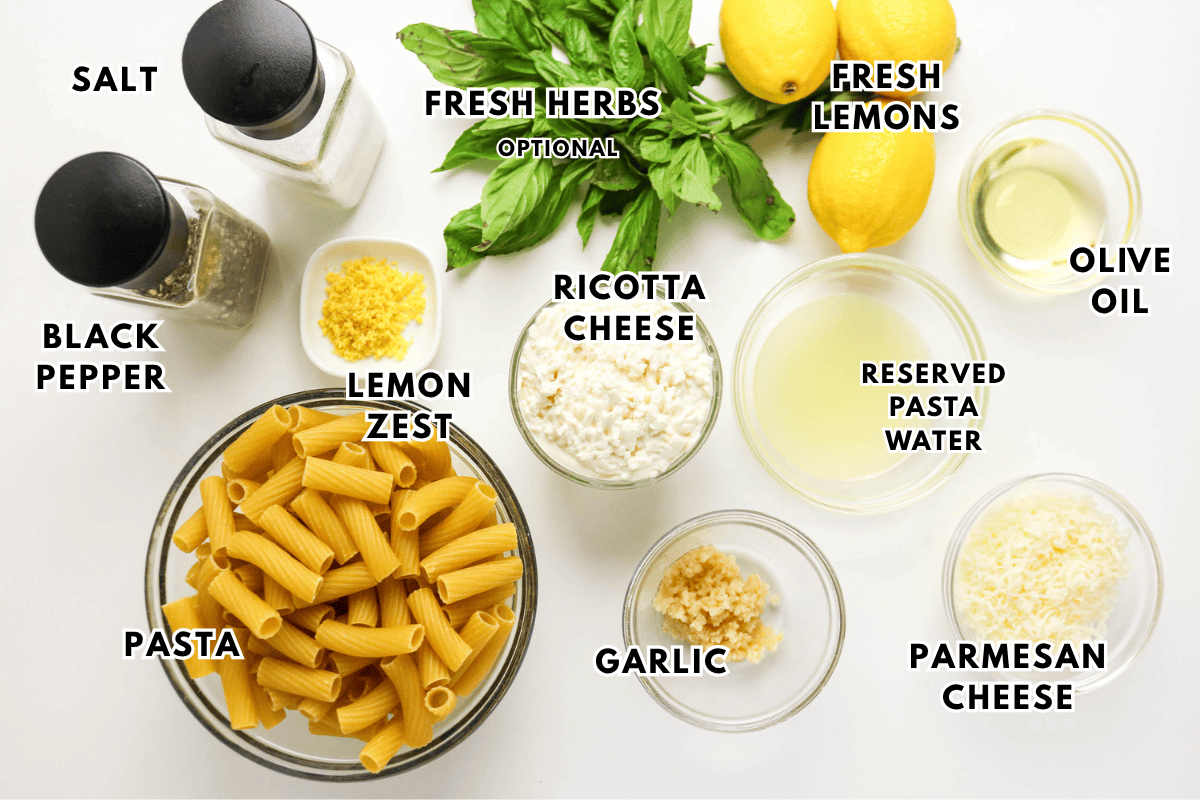
Ingredients
For step-by-step instructions and a full printable recipe card with ingredients, please scroll down to the teal box below.
- Rigatoni Pasta Rigatoni is my favorite pasta shape for this recipe. The wide tubes and ridged surface grab the yummy ricotta sauce and hold it in every single bite. Other short pasta shapes work well, too. Penne and ziti are great alternatives if rigatoni is not on hand. Avoid long, thin pasta shapes for this recipe, because they do not hold the sauce as well.
- Whole Milk Ricotta Cheese: Do not skimp here. Whole-milk ricotta gives you a smooth, creamy sauce with rich flavor. Part-skim ricotta is thinner and can make your sauce watery and grainy. Buy whole milk ricotta, and your sauce will be silky and perfect every time.
- Fresh Lemon You need both the zest and the juice, and you need it from a real lemon. Trust me, bottled lemon juice does not have the same brightness. The zest is where all the sunny, fragrant citrus flavor lives. Always zest your lemon first, then juice it.
- Parmesan Cheese: Buy a block and grate it yourself. Fresh Parmesan melts right into the sauce and adds a salty, nutty depth that takes the whole bowl up a notch. Pre-shredded Parmesan has anti-clumping agents that prevent it from melting properly. It is worth the extra two minutes to grate it fresh.
- Fresh Garlic: One or two cloves, minced fine. It adds a warm, savory base flavor that makes the sauce taste complex without any extra effort.
- Olive Oil: Because this dish is so simple, it’s important to use a high-quality extra-virgin olive oil. You will taste the difference in the final dish.
- Pasta Water: This is not optional. Save at least one cup of the starchy pasta cooking water before you drain. It is the secret to a silky sauce that coats the pasta instead.
Out of something you need? Check out our free ingredient substitutions printable!
Make it Your Own
This Lemon Ricotta Pasta is wonderful on its own, but, because it’s so versatile, you can easily dress it up. Toss in some vegetables to add color, nutrients, and texture to your bowl. Asparagus, spinach, peas, and broccoli are all great options. Add them directly to the pasta pot in the last minute or two of cooking, and they will be perfectly tender by the time you drain. You can also stir in baby spinach, artichoke hearts, or cherry tomatoes for some added nutrition. For added flavor and color, mix in a tablespoon or two of chopped sun-dried tomatoes.
Using Fresh Parmesan Cheese
I highly recommend using a block of Parmesan cheese and grating it. It’s far more flavorful than the pre-grated cheese, and it melts beautifully.
Now, that said, I don’t like buying an ingredient for one dish, and I bet you don’t either. Fresh Parmesan cheese is also used in our recipes for our Sauteed Asparagus and Grilled Chicken Caesar Salad, both of which would make an awesome side dish for this meal!
Ang’s Recipe Tips
- Use whole milk ricotta. This is the most important tip in the whole recipe. Whole milk ricotta gives you a creamy, smooth sauce. Part-skim gives you a watery mess.
- Do not add cold ricotta straight to hot pasta. Mix and slightly warm your ricotta mixture first. Cold ricotta seizes up and gets lumpy the second it hits hot pasta.
- Start with lemon zest, then slowly add juice. The zest adds flavor. The juice adds acidity. Too much juice too fast can curdle the sauce. Add juice a little at a time and taste as you go.
- Save more pasta water than you think you need. A full cup minimum. The starch in the water transforms the sauce from clumpy to silky. You can always use less, but you cannot add what you already poured down the drain.
- Season aggressively. Ricotta is mild. Your sauce needs enough salt, lemon, and pepper to shine. Taste it before you add the pasta, and taste it again after.
- Serve it right away. This ricotta lemon pasta is best fresh. Do not let it sit.
Serving Suggestions
Add a veggie side dish like steamed broccoli and some Italian breadsticks or garlic knots. For a heartier meal, grilled chicken or salmon pairs perfectly with the dish’s bright lemon flavor. Try our lemon pepper chicken or cowboy butter shrimp right on top. Or marinate your chicken first with our lemon and garlic marinade for the juiciest, most flavorful result. Garlic butter shrimp is also a delicious option. Cook them separately, season simply with salt, pepper, and a squeeze of lemon, and serve right on top of the pasta.



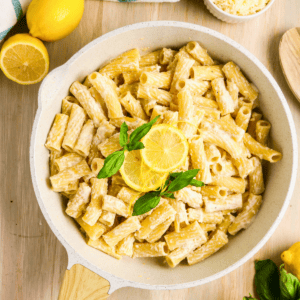
Not ready to make this easy pasta recipe yet?
When you do make it, please come back, leave a comment, and give this recipe a 5-star rating below. I love hearing from my readers, and it helps others to know which recipes are the best!
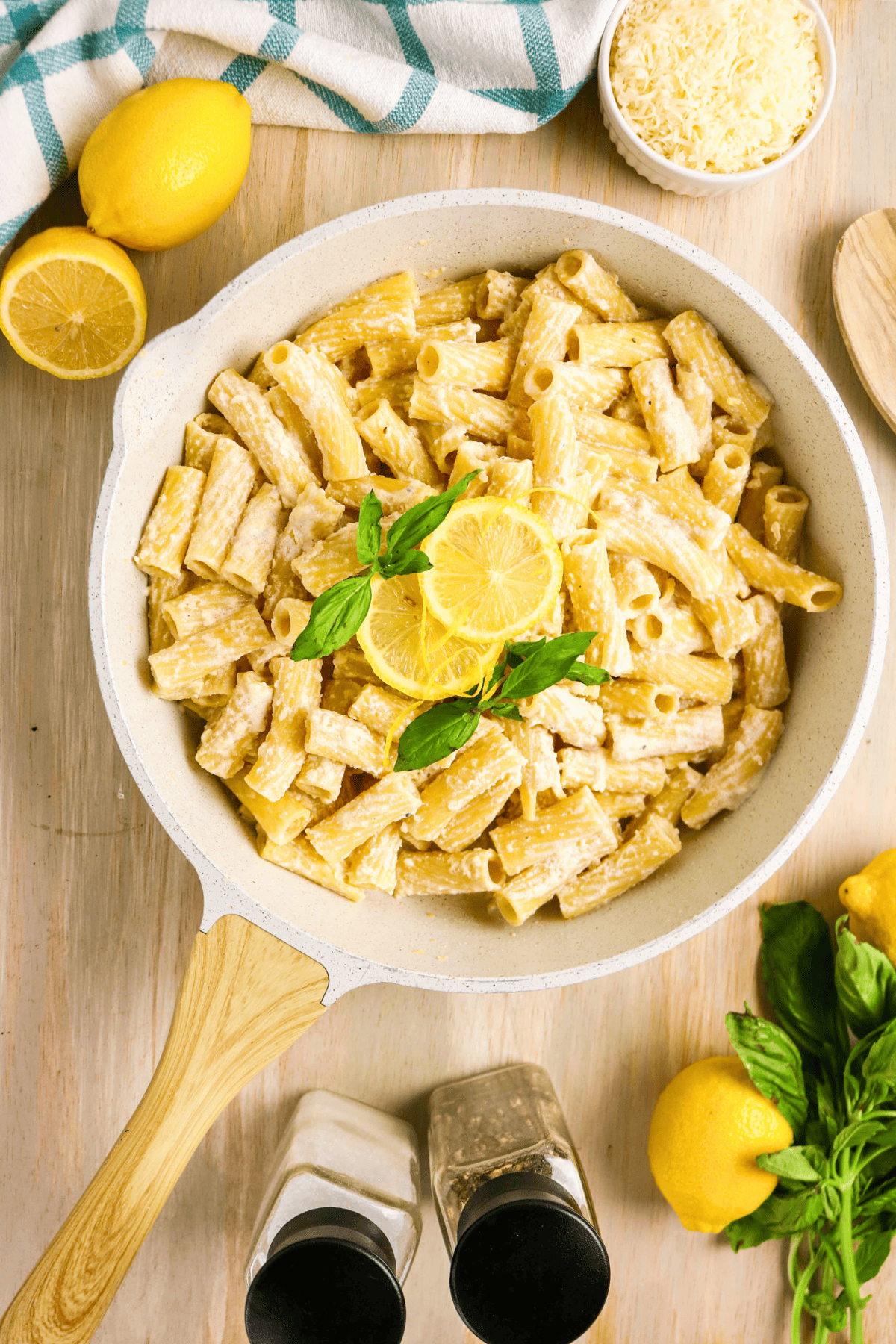
Lemon and Ricotta Pasta
As an Amazon Associate, I earn from qualifying purchases.
Ingredients
- 16 oz pasta such as rigatoni, penne, or ziti
- 1¼ cup whole milk ricotta cheese
- 1 lemon zested and juiced
- 1/2 cup freshly grated Parmesan cheese plus more for serving
- 2 tablespoons olive oil
- 2 cloves garlic minced
- salt to taste
- black pepper to taste
- 1 cup reserved pasta water you may not use it all
- fresh herbs optional, fresh basil or parsley for garnish

Instructions
- Cook the pasta in a large pot of salted water according to the package instructions.16 oz pasta
- IMPORTANT! Reserve 1 cup of cooking liquid before draining the pasta.
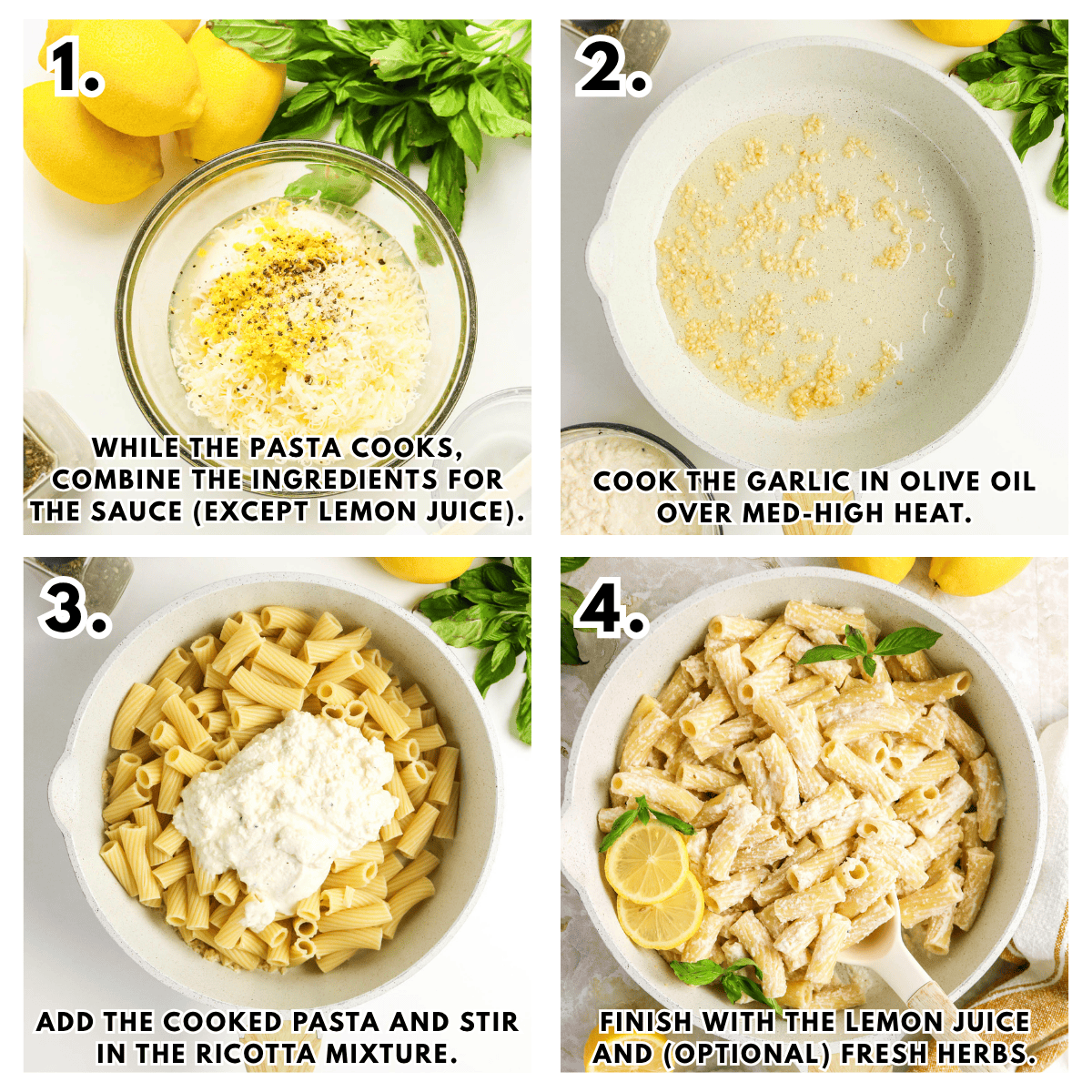
- While the pasta cooks, combine the ricotta, lemon zest, Parmesan cheese, salt, and pepper in a mixing bowl. Stir until smooth and creamy.Note: do NOT add the lemon juice yet.1¼ cup whole milk ricotta cheese, 1 lemon, 1/2 cup freshly grated Parmesan cheese, salt, black pepper
- In a large skillet, heat the olive oil over medium-high heat. Cook the garlic until fragrant, about 1-2 minutes.2 tablespoons olive oil, 2 cloves garlic
- Reduce the heat and add the drained pasta to the skillet.
- Stir in the ricotta mixture, then, so you don’t curdle the ricotta, stir in the lemon juice a little at a time.1 lemon
- Add about 1/2 a cup of the reserved pasta water and stir to combine. Stir to combine and add more pasta water as needed so that the sauce coats all the pasta.1 cup reserved pasta water
- Taste and add additional salt and pepper as desired.
- Garnish with fresh herbs, if desired, and serve with additional Parmesan cheese.fresh herbs
Notes
Ang’s Recipe Tips
- Use whole milk ricotta. This is the most important tip in the whole recipe. Whole milk ricotta gives you a creamy, smooth sauce. Part-skim gives you a watery mess.
- Do not add cold ricotta straight to hot pasta. Mix and slightly warm your ricotta mixture first. Cold ricotta seizes up and gets lumpy the second it hits hot pasta.
- Start with lemon zest, then slowly add juice. The zest adds flavor. The juice adds acidity. Too much juice too fast can curdle the sauce. Add juice a little at a time and taste as you go.
- Save more pasta water than you think you need. A full cup minimum. The starch in the water transforms the sauce from clumpy to silky. You can always use less, but you cannot add what you already poured down the drain.
- Season aggressively. Ricotta is mild. Your sauce needs enough salt, lemon, and pepper to shine. Taste it before you add the pasta, and taste it again after.
- Serve it right away. This pasta is best fresh. Do not let it sit.
Storage
To Store: Store you ricotta lemon pasta leftovers in an airtight container in the refrigerator for up to 3 days. Keep in mind that the rigatoni will absorb the sauce as it sits. The leftovers will be thicker and drier than when freshly made. Pro tip: Save an extra half cup of pasta water when you cook and store it in a small container alongside your leftovers. It will bring the sauce right back to life when you reheat. (These are my favorite airtight containers.) Reheating: For the best results, skip the microwave and reheat on the stovetop over low heat. Add a splash of that reserved pasta water, or a little milk, and stir gently until the sauce loosens and the pasta is warmed through. Freezing: Ricotta sauce does not freeze well. It separates when thawed, and the texture is never quite right. I highly recommend making this fresh and enjoying it within a few days.Nutrition
Similar Recipes
Weeknight pasta dinners are a lifesaver when life gets busy. These quick, budget-friendly recipes come together fast and always deliver big on flavor.
- chicken broccoli pasta bake
- cheesy alfredo spaghetti
- easy tomato feta pasta
- chicken bacon pasta
- garlic parmesan chicken pasta

Find More Easy Weeknight Dishes With Our Recipe Index!
Looking for the perfect recipe to make mealtime way easier? Our recipe index is your one-stop shop for quick and delicious ideas—whether you need a cozy slow cooker meal, a no-fuss 30-minute dinner, a crowd-pleasing casserole, or an easy chicken recipe the whole family will love.
No more mealtime stress—just simple, budget-friendly, and totally delicious recipes ready when you are!
